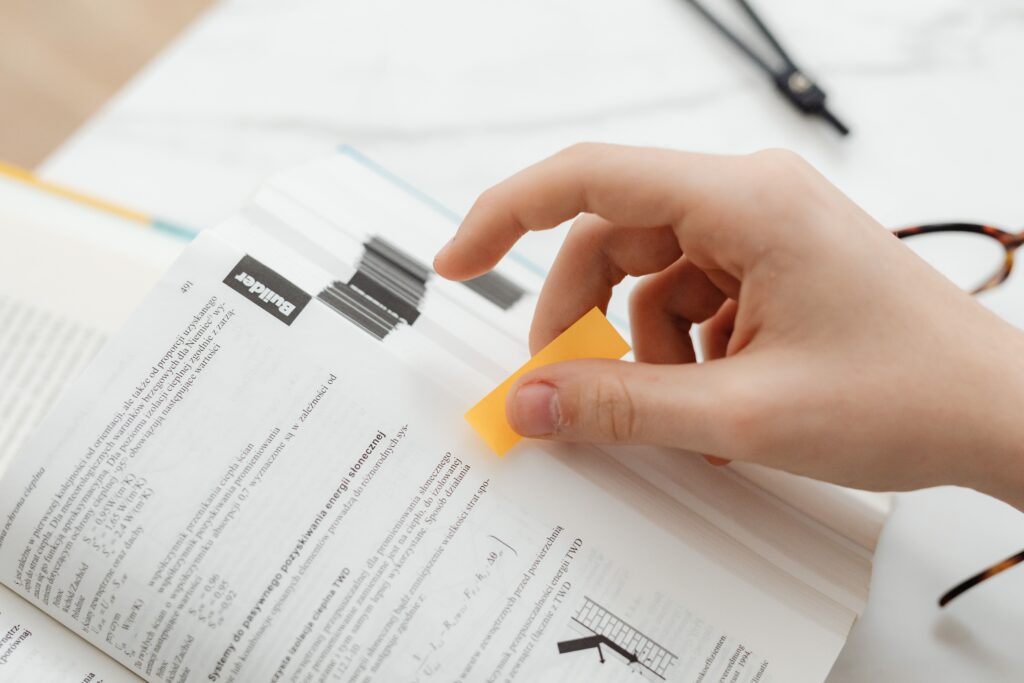
A hand places a sticky note in an open book, symbolizing studying or learning.

PH4 Exam Preparation: Mar 2027

This module prepares you in the optimal way for the exam to become a certified “Passive House Designer/Consultant”. In addition to many repetitions and exercises, there is sufficient time to answer your questions. Typical calculations are carried out and practised using examples and comprehensive information is provided on how to prepare and work through the exam.

What’s Included:

  • Access to online community

  • Access to the course recordings

  • Workbooks and handouts

  • Live Q&A sessions

Dates:

  • 2027 Mar 27, 28

  • Saturdays and Sundays 0700-1130 Manila time

PH4 Exam Preparation: Mar 2027 Read More »

screenshot

PH3 PHPP Basics: Mar 2027

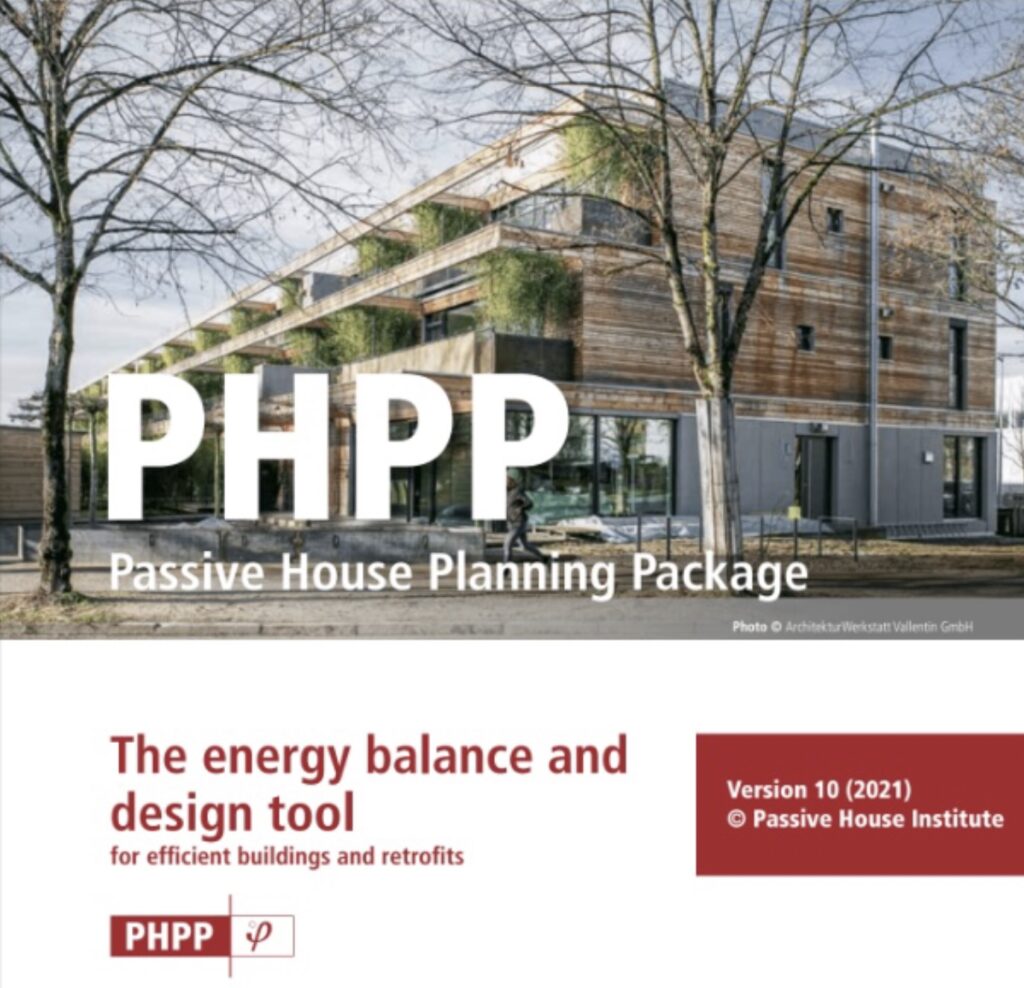
Learn how easily and reliably energy-efficient buildings and renovations can be individually planned – with the Passive House Project Planning Package (PHPP), the energy balancing and planning tool for efficient buildings and modernisations. In this module, in addition to an overview of the PHPP and its structure, all the knowledge required to enter a residential building into the PHPP is imparted – both for the area of the building envelope and for the building services. PHPP calculations are explained and linked to the calculation of characteristic values taught in the previous modules. In addition to the representation of renewable energies in the PHPP, primary energy and the use of the pioneering PER factors developed by the Passive House Institute are also discussed. Many exercises and input aids facilitate the start with the PHPP.

Dates:

  • 2027 Mar 13, 14, 20, 21

  • Saturdays and Sundays 0700-1130 Manila time

What’s Included:

  • Access to online community

  • Access to the course recordings

  • Workbooks and handouts

  • Live Q&A sessions

PH3 PHPP Basics: Mar 2027 Read More »

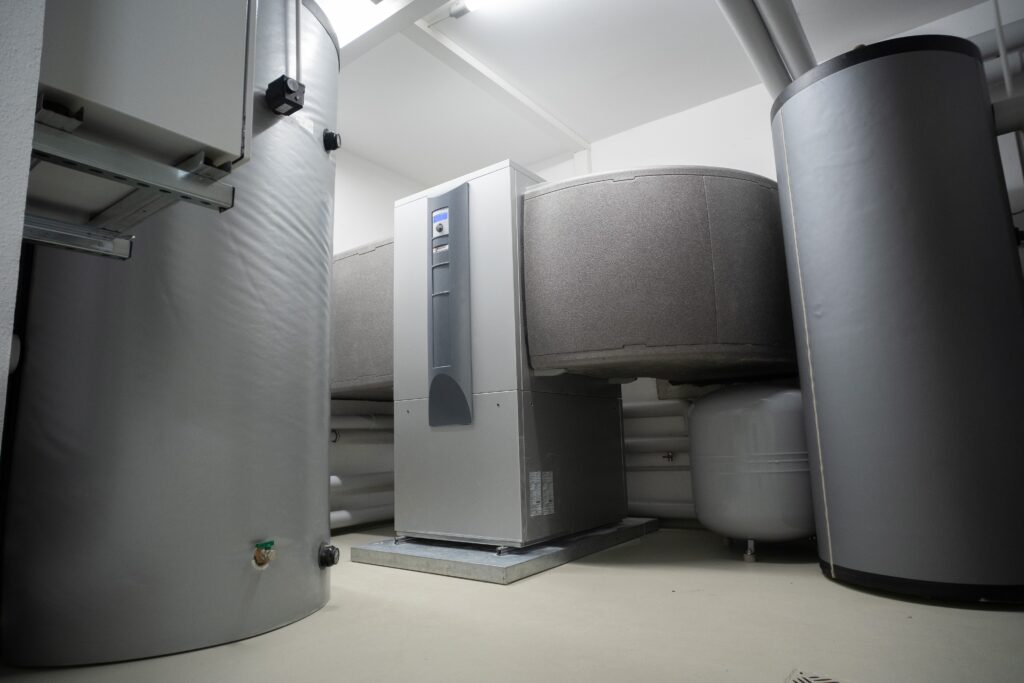
Efficient and innovative heat pump system in an indoor setting for advanced heating solutions.

PH2 Building Services: Feb 2027

The focus of this second module is on the heating and cooling of highly energy-efficient buildings. Physical principles and calculations of primary energy, heating heat, heating load and heat gains are taught in connection with the calculation procedures of the Passive House Project Planning Package (PHPP).

Concepts for the use of various heat generators and system set-ups in Passive Houses are covered, as are the various components and the planning of heating and hot water generation. In addition, planning principles for heating and hot water distribution and drinking water supply suitable for Passive Houses and measures for avoiding distribution and storage losses are taught using many examples. You will also gain knowledge and planning aids for summer thermal insulation, passive and active cooling and moisture recovery for all climates.

Another focus of this second module is on the topics of highly energy-efficient renovations and the economic efficiency of energy-efficient measures. In many examples of successful energy-efficient refurbishments with Passive House components, special physical and constructional problems in refurbishment projects and their solutions are presented – both for the building envelope and for the building services. In the area of economic efficiency, knowledge of life cycle assessments and dynamic methods of investment calculations is conveyed in addition to examples of cost reduction in highly energy-efficient buildings. Exemplary comparisons of the economic efficiency of passive houses and low-energy buildings conclude this module.

What’s Included:

  • Access to online community

  • Access to the course recordings

  • Workbooks and handouts

  • Live Q&A sessions

Dates:

  • 2027 Feb 20, 21, 27, 28

  • 2027 Mar 6, 7

  • Saturdays and Sundays 0700-11:30 Manila time

PH2 Building Services: Feb 2027 Read More »

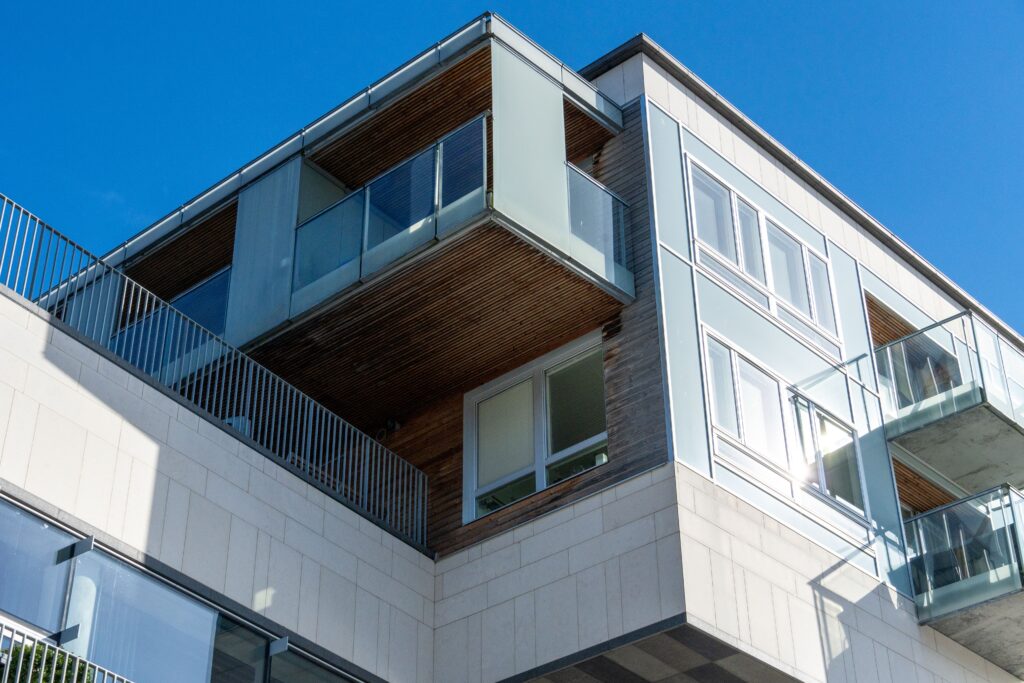
Low angle view of a modern residential building with glass balconies under a clear blue sky.

PH1 Building Envelope: Feb 2027

You will gain indispensable knowledge about the opaque and transparent areas of an energy-efficient building envelope for residential and non-residential buildings. Physical basics such as thermal conduction, moisture protection and thermal comfort in different climate zones will be addressed, as well as calculations of U-values, psi-values or fRsi-values and the topic of thermal bridges and their effects. Products, materials, constructions and connection details suitable for Passive Houses are explained using numerous examples.

Another important topic is the airtightness of a building. This module deals with the effects of a lack of airtightness and planning principles and example details for airtight constructions in solid and lightweight construction. A practical exercise on airtightness measurement and the area of thermography completes this topic.

Furthermore, construction principles, physical requirements in different climates and installation situations of windows suitable for Passive Houses are dealt with in detail. A wide range of highly energy-efficient glazing, windows and glass facades is shown in many examples.

Another focus of this module is on the topic of ventilation. Knowledge of physical principles, system concepts and components of a mechanical ventilation system with heat recovery, preventive fire protection and economic efficiency are taught as well as the installation and adjustment, as well as the dimensioning of system components and the design of volume flows and air exchange rates. Skills relating to the planning of ventilation systems and duct networks are taught in lectures and exercises supported by practical working aids.

What’s Included:

  • Access to online community

  • Access to the course recordings

  • Workbooks and handouts

  • Live Q&A sessions

Dates:

  • 2027 Feb 6, 7, 13, 14

  • Saturdays and Sundays 0700-11:30 Manila time

PH1 Building Envelope: Feb 2027 Read More »

ph 5principles

PH0 Passive House Basics

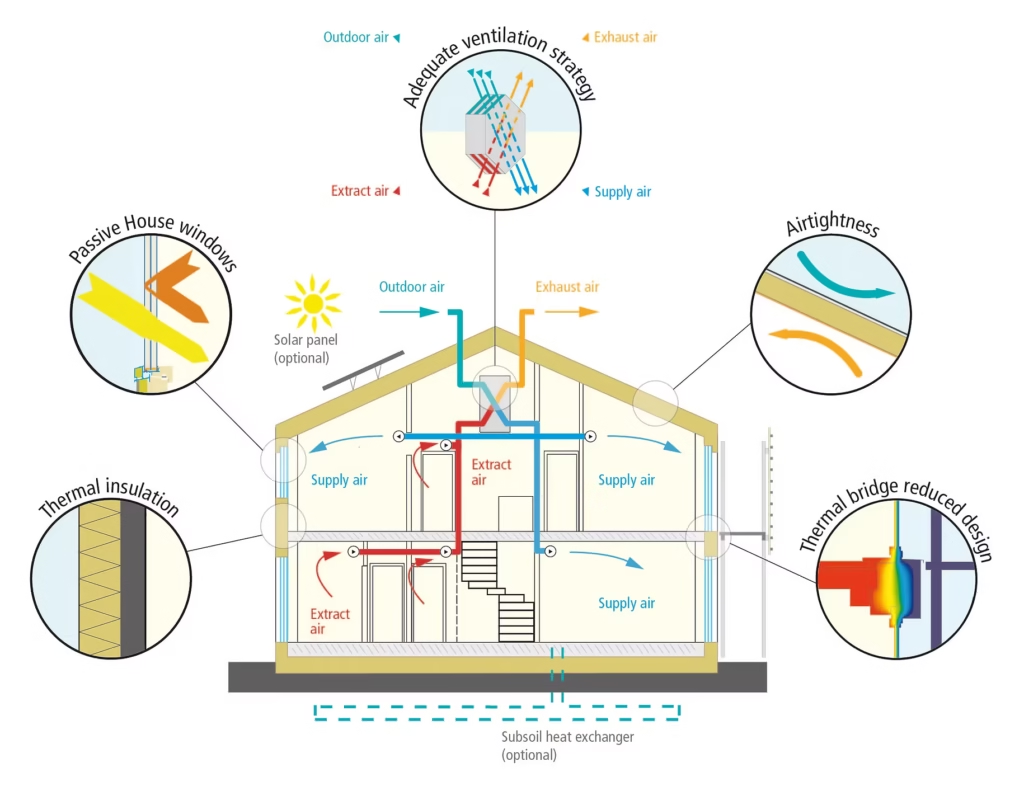
In preparation for the course modules, this 2-hour e-learning will give you an overview of the Passive House Standard, the certification requirements and the different elements you need to consider when designing and building Passive Houses. In addition to Passive House principles, building physics topics such as heat and moisture are addressed. The basics of opaque and transparent elements of the building envelope, thermal bridges and air tightness are taught, as well as the basics of ventilation, heating, cooling and hot water. A first insight into the Passive House Project Planning Package (PHPP) completes the online course.

All the topics included here are covered in greater depth and detail in the subsequent course modules. The content of the e-learning is assumed to be known in the following course modules.

What’s Included:

  • Self-paced, online

  • Access to online community

  • Access to the course recordings

  • Workbooks and handouts

PH0 Passive House Basics Read More »

screenshot

Zero to CPHD/C: Feb-Apr 2027

Be­come a com­pet­ent Pass­ive House De­sign­er/Con­sult­ant by learn­ing everything from how to define the thermal en­vel­ope to how to over­come fre­quent plan­ning and con­struc­tion chal­lenges. This course will take you in­to the de­tails of Pass­ive House build­ings to en­sur­e that the de­sired en­ergy sav­ings are ac­tu­ally achieved and that the build­ing will per­form as planned!

AllClimate Passivhaus delivers Passive House Institute’s official training materials in both English and Filipino. Our instruction specializes in real-world application across extreme climates—from very cold winters to intense tropical heat and humidity. We are proud to be the world’s first Filipino-speaking entity accredited to deliver the Certified Passive House Designer/Consultant course, making global building science fully accessible locally.

What’s Included:

  • PH0 Passive House Basics

  • PH1 Building Envelope

  • PH2 Building Services

  • PH3 PHPP Basics

  • PH4 Exam Preparation

  • PH5 CPHD/C Exam Registration

  • PHPP Software (lifetime license)

  • Access to online community

  • Access to the course recordings

  • Workbooks and handouts

  • Live Q&A sessions

Dates:

  • 2027 Feb 6, 7, 13, 14, 20, 21, 27, 28

  • 2027 Mar 6, 7, 13, 14, 20, 21, 27, 28

  • 2027 Apr 4 (Tech check)

  • 2027 Apr 17 (Exam date)

  • Saturdays and Sundays 0700-11:30 Manila time

Zero to CPHD/C: Feb-Apr 2027 Read More »